
IMF Reaches Agreement with Syria on Cooperation Program for the Coming Stage
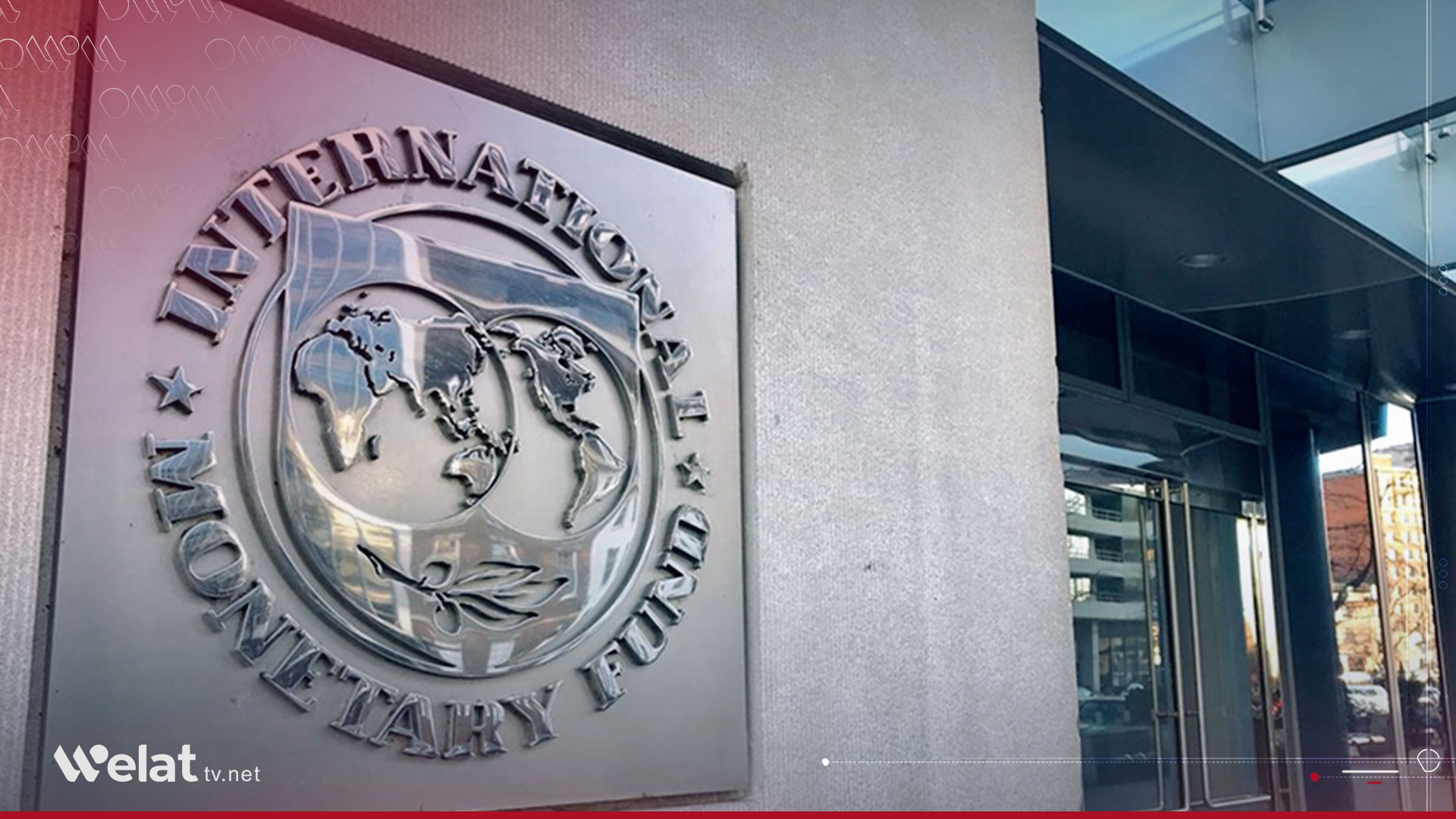
Welat TV – Erbil
A delegation from the International Monetary Fund, led by Ron van Rooden, concluded an official visit to Damascus that took place from November 10 to 13, 2025. The mission focused on examining the Syrian government’s priorities for reforming the financial sector and strengthening the technical assistance programs provided to the country.
In a closing statement issued on Monday, November 17, 2025, van Rooden said the Syrian economy “is showing signs of recovery and improving prospects,” citing rising consumer and investor confidence, Syria’s gradual reintegration into regional and international markets, the lifting of sanctions, and the return of more than one million refugees.
He added that the Syrian authorities had “adopted a tight fiscal and monetary stance” in support of macroeconomic stability despite ongoing challenges. Discussions centered on the 2026 budget, which aims to expand fiscal space to meet essential needs—particularly support for social sectors—based on realistic assumptions for revenues and financing.
The IMF will provide technical assistance to enhance public financial management and revenue administration, finalize the new tax law, and develop a strategy for debt management. The Fund emphasized the need for a simple, competitive tax system and strong adherence to governance standards.
The mission also reviewed the development of a monetary policy framework to ensure price stability, along with support for financial sector reform, rehabilitation of the payments and banking systems, and capacity-building for the central bank to effectively implement monetary policy and oversee the financial system. The IMF stressed that the continued lack of reliable economic data remains a key obstacle, highlighting that improving statistical systems is essential for the resumption of Article IV consultations with Syria for the first time since 2009.Technical assistance is expected to expand to include price statistics, the balance of payments, public finance data, and financial statistics.