
Houthis Seize Strategic Areas Near Bab al-Mandab as Washington Rejects Saudi Request for Intervention
Welat TV – Erbil
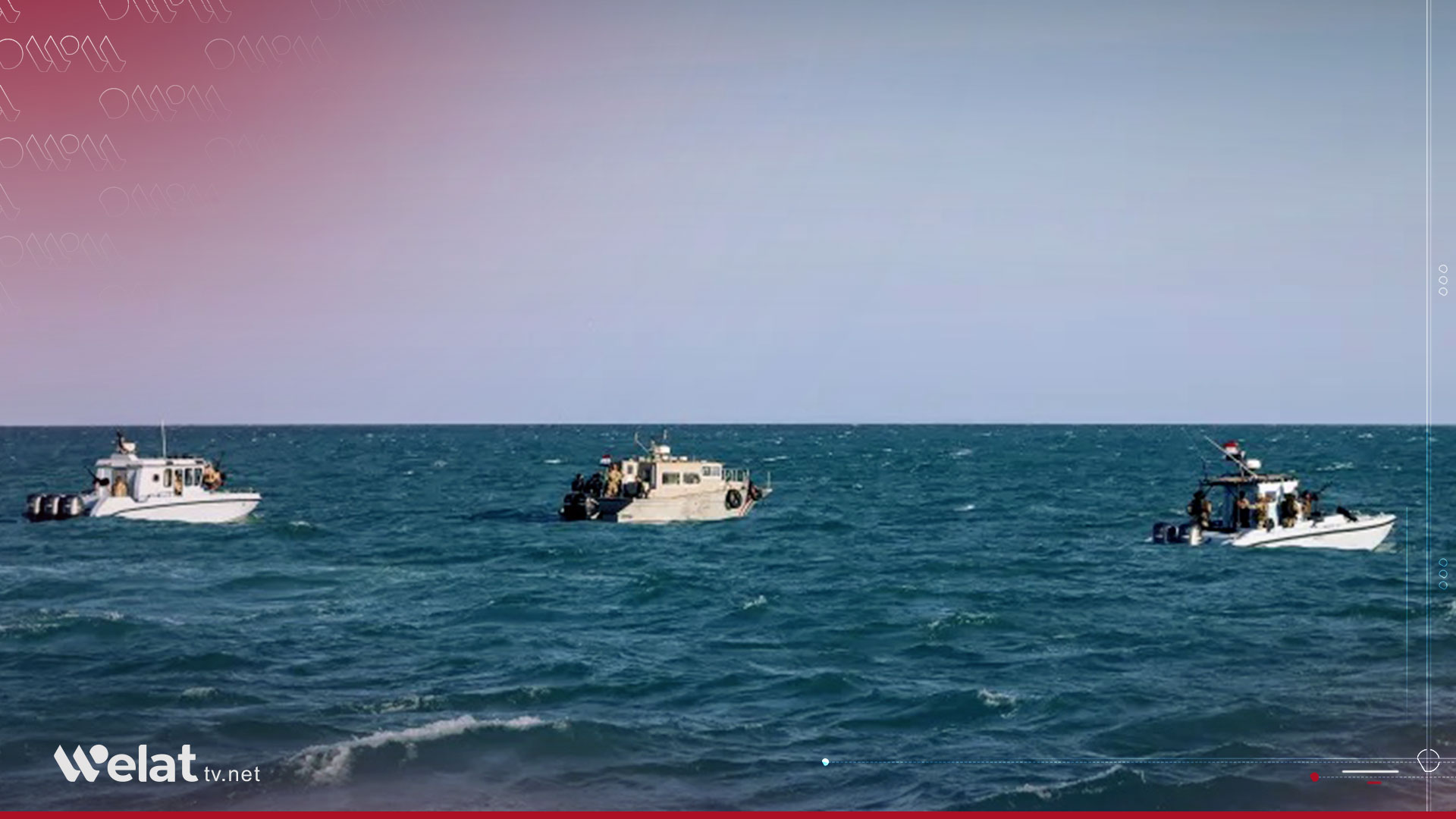
Yemen’s Iran-aligned Houthi movement has seized strategic areas near the Bab al-Mandab Strait, as well as the islands of Mayun (Perim) and Zoqur in the Red Sea, following intense clashes with government forces that have reportedly killed around 500 people. Washington, meanwhile, has declined to become directly involved militarily in the fighting.
France Press Agency reported on Friday, September 11, 2026, citing a Yemeni government official, that the development followed the withdrawal of government forces from the city of Mocha, reportedly to establish an alternative command center farther south under heavy Houthi fire.
Threat to International Shipping
Two Yemeni government sources said Thursday that the Houthis had reached Dhubab, a coastal town located opposite Mayun Island, in what they described as a significant and dangerous development.
Reuters reported that the Houthi advance along Yemen’s western coastline has brought the group closer to the Bab al-Mandab Strait, one of the world’s most important maritime chokepoints.
The advance has raised growing concerns over maritime security because of the strategic importance of the strait, which is a key passage for shipping between the Red Sea and the Gulf of Aden. The Houthis’ capture of Mayun Island has further increased their leverage over the waterway.
Reuters reported that the group had also captured Mocha and reached strategic islands in the Red Sea, although the Houthis have said freedom of navigation and international trade remain safe except for shipping covered by their restrictions.
Washington Rejects Saudi Request
Meanwhile, Axios reported that U.S. President Donald Trump rejected a request from Saudi Crown Prince Mohammed bin Salman for direct U.S. military strikes against the Houthis.
According to U.S. officials cited by Reuters, Trump spoke with the Saudi crown prince at least twice on Thursday but did not agree to launch U.S. strikes against the Houthis. Washington instead offered intelligence-sharing and targeting assistance while seeking to avoid direct military involvement in Yemen.
A senior U.S. administration official said Washington’s priority was protecting core national security interests, including ensuring freedom of navigation in the Red Sea, while allowing regional partners to take the lead in managing the broader security challenge.
Fiercest Fighting Since 2022 Truce
Fighting between the Houthis and Saudi-backed government forces has intensified over the past week and has been described as the fiercest since a UN-brokered truce in 2022. According to figures cited by Reuters from sources on both sides, the latest fighting has killed at least 500 people, most of them combatants. The escalation has also raised fears of a return to a broader conflict in Yemen after years of relative calm.
A New Geopolitical Reality
The latest battlefield developments are placing the Bab al-Mandab Strait at the center of a new geopolitical and security equation. The strait, which links the Red Sea with the Gulf of Aden and the Indian Ocean and separates the Arabian Peninsula from the Horn of Africa, is a critical maritime chokepoint for global trade and energy supplies.
The Houthi advance has therefore heightened concerns over potential disruptions to shipping and oil flows, particularly as maritime traffic through the Strait of Hormuz has already been severely disrupted by the wider regional conflict.
The simultaneous pressure on the two strategic waterways could have significant consequences for global supply chains, energy markets, and international trade.